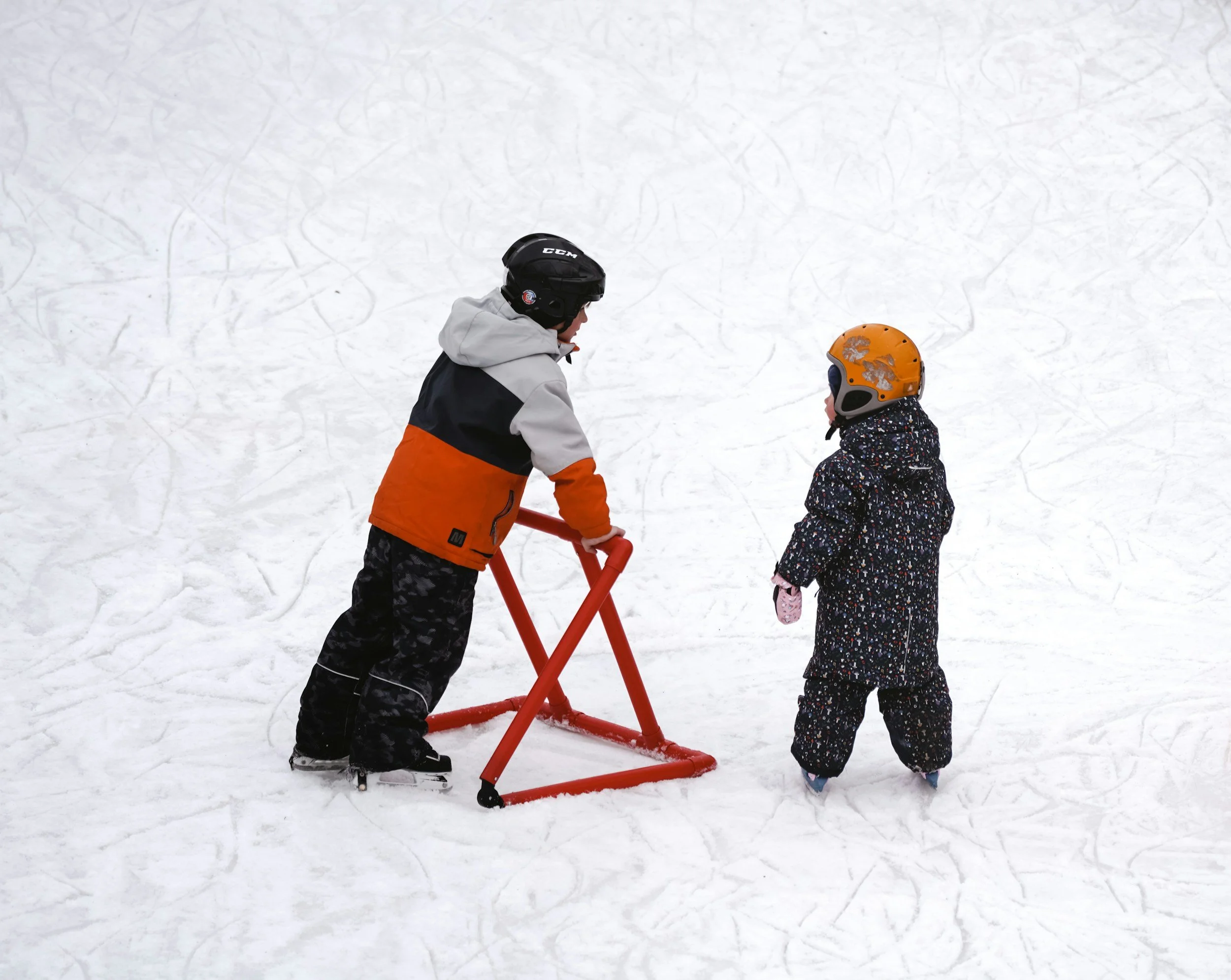
Play for all at Fix It PT Vadnais Heights & Maple Grove Minnesota

Play is essential for healthy development and well-being at all ages. So make sure you make time for play in your life and encourage the children in your life to do the same!

How to Encourage Play

  • Provide opportunities for unstructured play.

  • Limit screen time.

  • Create a safe and stimulating environment for play.

  • Encourage children to try new things.

  • Let children take the lead in their play.

  • Join in the fun!

Types of Play

There are many different types of play, including:

Unstructured Play: This type of play is child-directed and allows children to use their imaginations and creativity. Examples include playing with blocks, dress-up, and pretend play.

Structured Play: This type of play is more organized and may have rules. Examples include board games, sports, and puzzles.

Physical Play: This type of play involves physical activity, such as running, jumping, and climbing.

Creative Play: This type of play involves expressing oneself through art, music, or drama.

PLAY : Intrinsically Motivated, Voluntary, Active, Fun, Natural, Unstructured, Process Oriented, 2 hours minimum unstructured play a day, Outside is best, 30 minutes vigorous activity a day

Benefits of Play for Children

Cognitive Development: Play helps children develop problem-solving skills, creativity, and critical thinking. When children play, they are constantly experimenting, testing ideas, and figuring things out.

Physical Development: Play helps children develop their gross and fine motor skills, coordination, and balance. Active play also contributes to overall health and fitness.

Social and Emotional Development: Play provides opportunities for children to learn how to cooperate, share, negotiate, and resolve conflicts. It also helps them develop empathy and understand different perspectives.

Language Development: Play can help children expand their vocabulary and improve their communication skills. When children play together, they are constantly talking and listening to each other.

Emotional Well-being: Play is a great way for children to express their emotions and work through difficult feelings. It can also help them build confidence and resilience.

Benefits of Play for Adults

Stress Relief: Play can be a great way to relax and de-stress. It can help adults take their minds off of their worries and have some fun.

Creativity and Problem-Solving: Play can help adults tap into their creativity and think outside the box. It can also help them develop new problem-solving skills.

Improved Relationships: Play can help adults build stronger relationships with others. Sharing laughter and fun can foster intimacy and connection.

Physical Health: Play can help adults stay active and maintain their physical health. It can also help improve coordination and balance.